







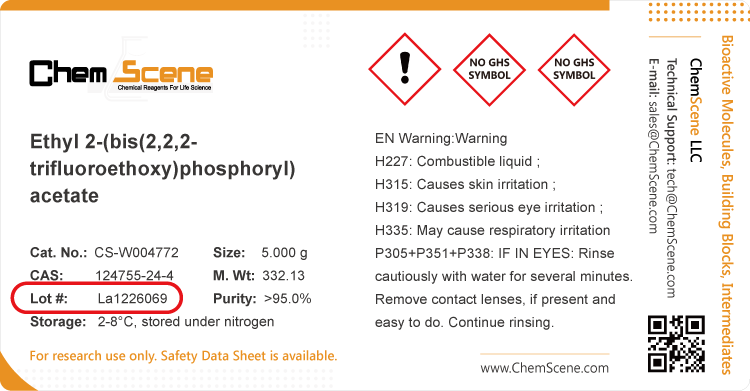
Lot numbers can be found on the outside label of a product:
Please log in for operation!
*For research and further manufacturing use only, not for direct human use.
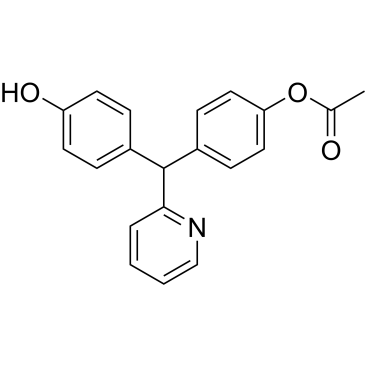
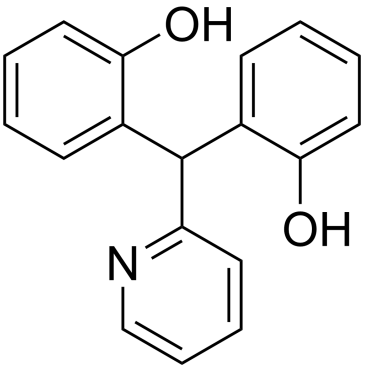
Structure of 72901-16-7
| Size |
|
Price | Quantity | |||
|---|---|---|---|---|---|---|
|
* Please select Quantity before adding items. |
||||||
Peptone from soymeal is a widely used, non-animal peptone used in industrial microbiology as a nutrient source for the growth of microorganisms in large-scale fermentation processes. Peptone from soymeal, also known as soy peptone or peptic soy peptone, is a water-soluble protein hydrolysate obtained from the papainic enzyme digestion of soybean meal and used as a nutrient source in microbial culture media. It is characterized by its high concentration of vitamins and carbohydrates. Its nitrogen content, combined with the naturally occurring vitamins and high carbohydrate content, facilitates rapid and profuse growth of fastidious microorganisms and the resuscitation of sub-lethally injured microorganisms. Its high content of fermentable sugars makes soya peptone unsuitable for fermentation studies, such as in media used for the identification of microorganisms based on sugar fermentation. It is mainly applicable in the cultivation of fastidious and heterotrophic microbes that require complex nutrient sources.Peptone from soymeal is used in cell culture, molecular genetic media, microbiological assay procedures, and as a nutritive substrate for the cultivation and resuscitation of a large variety of microorganisms. It is commonly used as an ingredient in many microbial culture media in the pharmaceutical, environmental, food and beverage industries.
|
GHS Pictogram :

|
GHS No : GHS07
|
|
Signal Word : Warning
|
UN#: N/A
|
|
Class : N/A
|
Packing Group : N/A
|
|
Hazard Statements : H302-H315-H319-H335
|
|
|
Precautionary Statements : P261-P264-P270-P271-P280-P302+P352-P304+P340-P305+P351+P338-P330-P362+P364-P403+P233-P405-P501
|
|
|
|
|
|
|
|
|
|
|
|
|
|
|
|
|
|
Upload Pictures
|
|
Lot numbers can be found on the outside label of a product: