



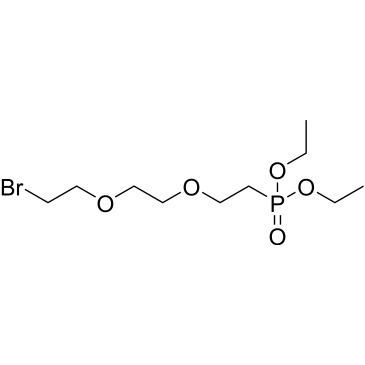
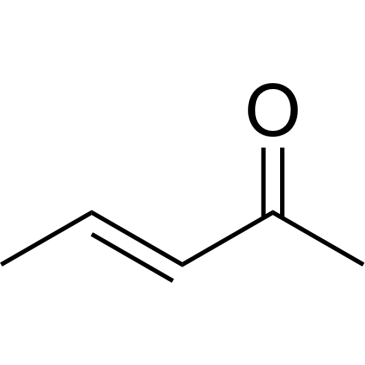
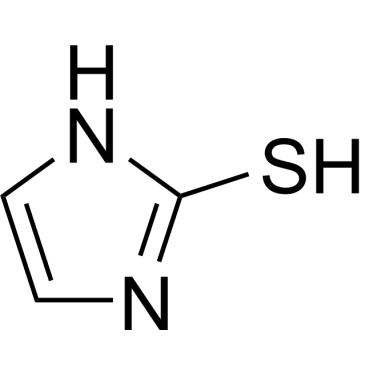
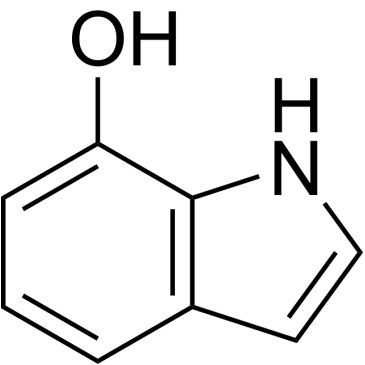
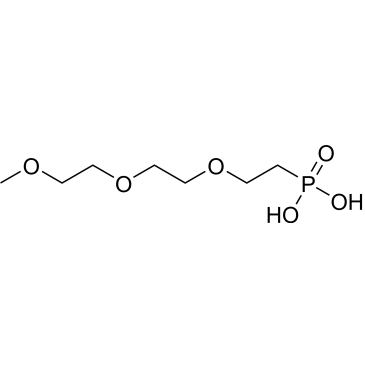
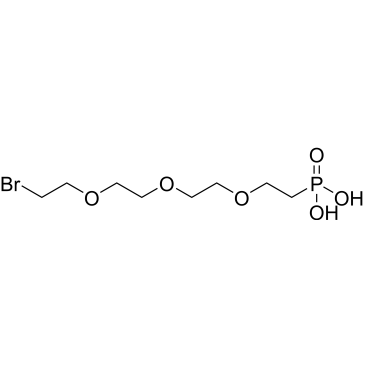
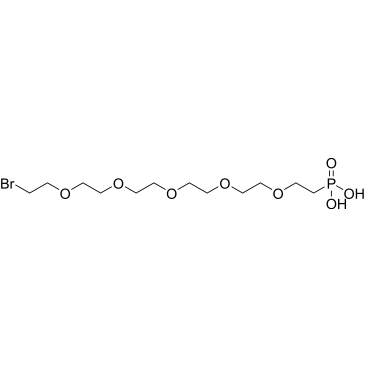
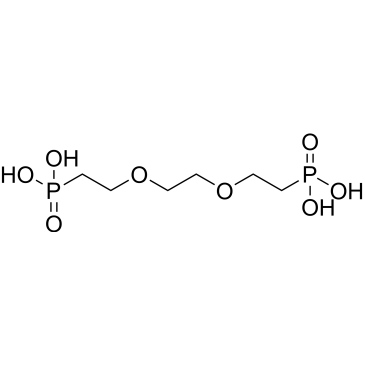
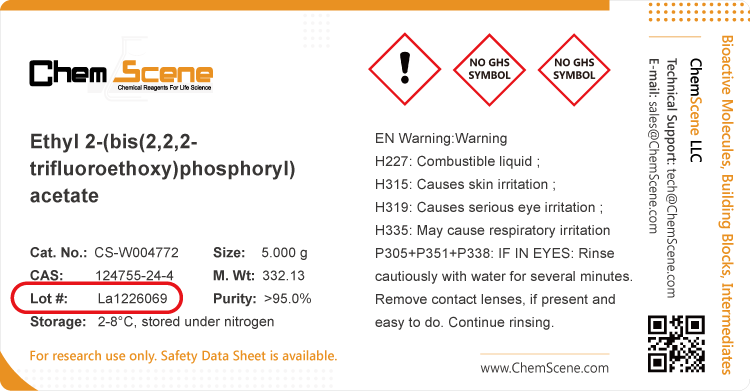
Lot numbers can be found on the outside label of a product:
Please log in for operation!
*For research and further manufacturing use only, not for direct human use.
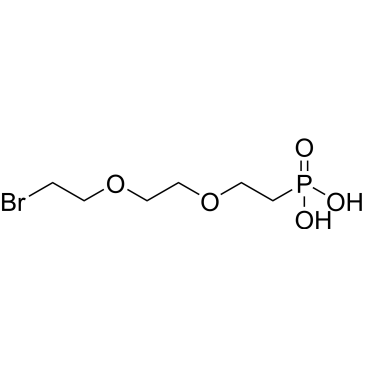
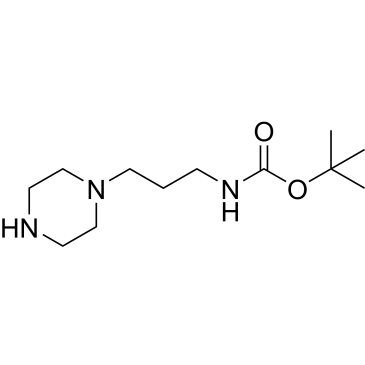
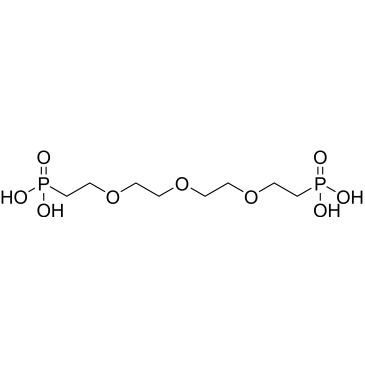
Structure of 1446282-44-5
| Size |
|
Price | Quantity | |||
|---|---|---|---|---|---|---|
|
* Please select Quantity before adding items. |
||||||
PIPES is a member of the ethanesulfonic acid buffer series, first introduced by Good et al., developed to meet certain criteria: midrange pKa, maximum water solubility and minimum solubility in all other solvents, minimal salt effects, minimal change in pKa with temperature, chemically and enzymatically stable, minimal absorption in visible or UV spectral range and easily synthesized. Since its pKa at 37 C is near physiological pH, PIPES has applications in cell culture work.Protocols have been reported on the use of PIPES for separation of glyoxylated RNA in agarose gels, nuclease S1 mapping of RNA, and in ribonuclease protection assay protocols. PIPES has been used as a buffer in glutaraldehyde fixation of tissue samples., PIPES has been utilized in protein crystallization., The use of PIPES in the reconstitution of dissociated tubulin and subunits after their resolution on immunoadsorbent gels has been described. PIPES has been recommended for use in buffers for the in vitro study of caspases 3, 6, 7, and 8. A published study demonstrated the usefulness of PIPES as a non-metal ion complexing buffer in such applications as protein assays. PIPES has been used in cell culture for such applications as the engineering of a thermostable mutant membrane protein in Escherichia coli.
|
GHS Pictogram :

|
GHS No : GHS07
|
|
Signal Word : Warning
|
UN#: N/A
|
|
Class : N/A
|
Packing Group : N/A
|
|
Hazard Statements : H302-H315-H319-H335
|
|
|
Precautionary Statements : P261-P264-P270-P271-P280-P302+P352-P304+P340-P330-P362+P364-P405-P501
|
|
|
|
|
|
|
|
|
|
|
|
|
|
|
|
|
|
Upload Pictures
|
|
Lot numbers can be found on the outside label of a product: