



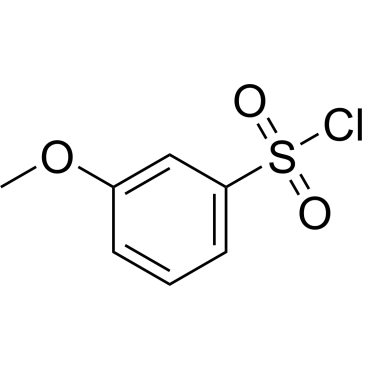
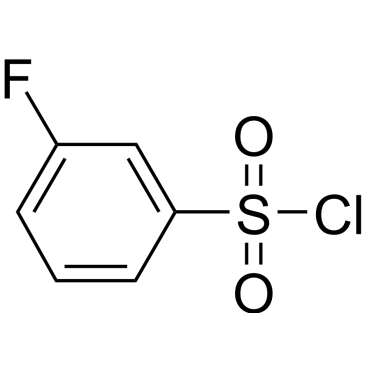
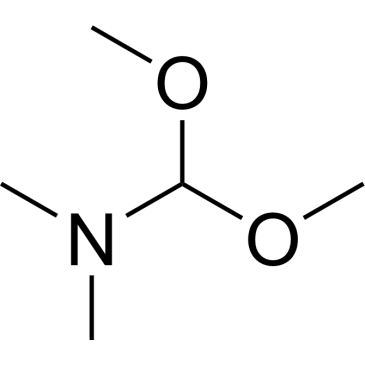
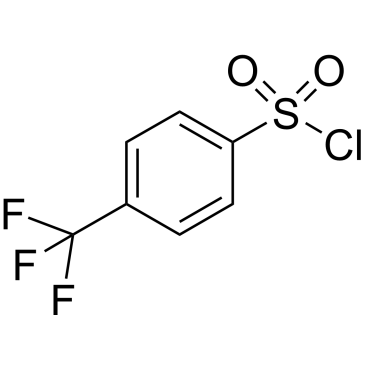
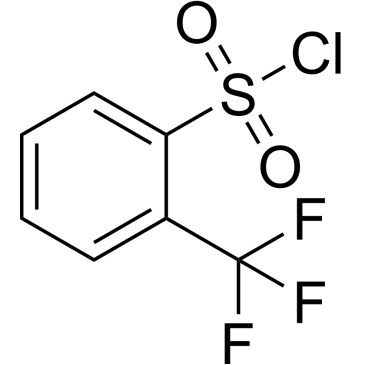
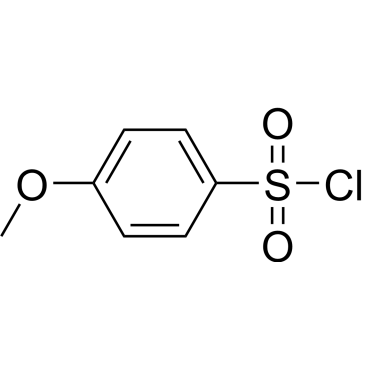
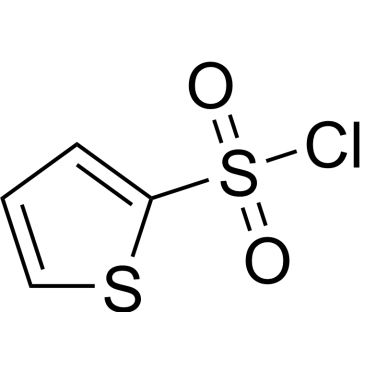
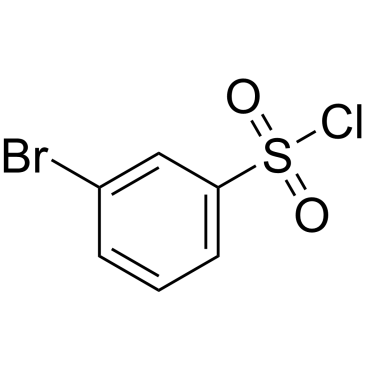
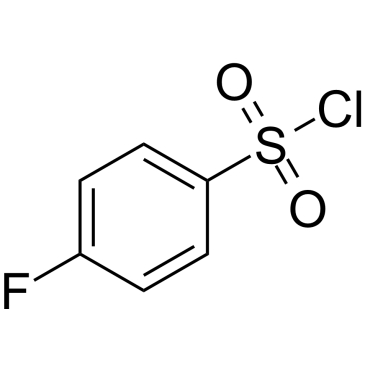
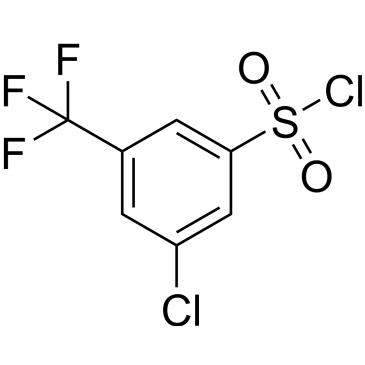
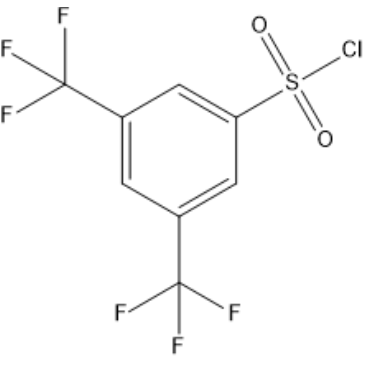
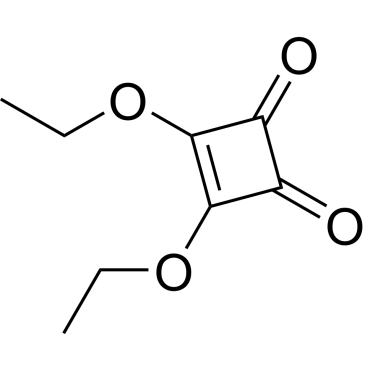
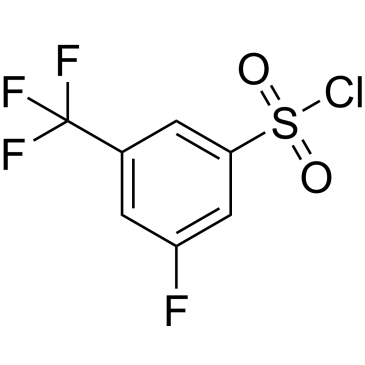
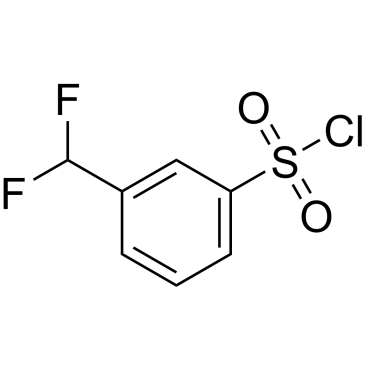
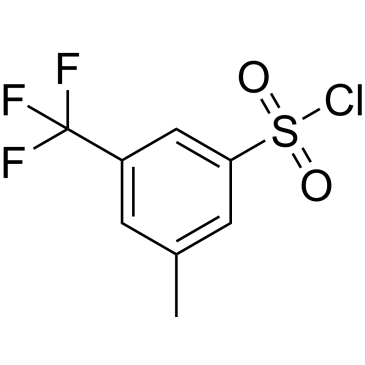
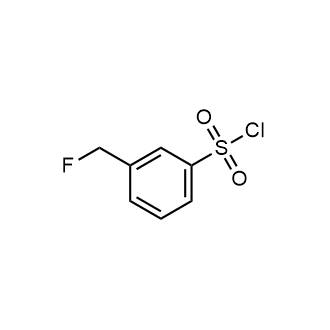
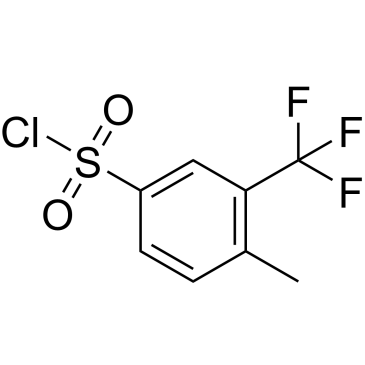
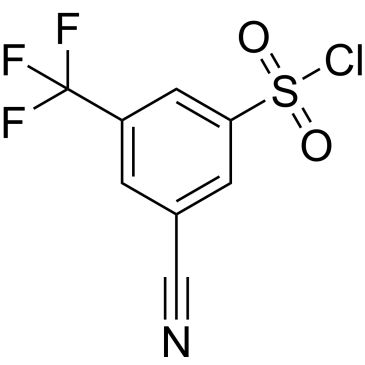
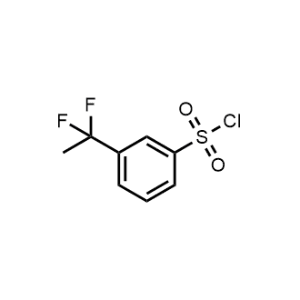
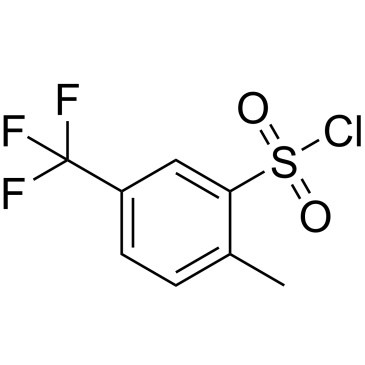
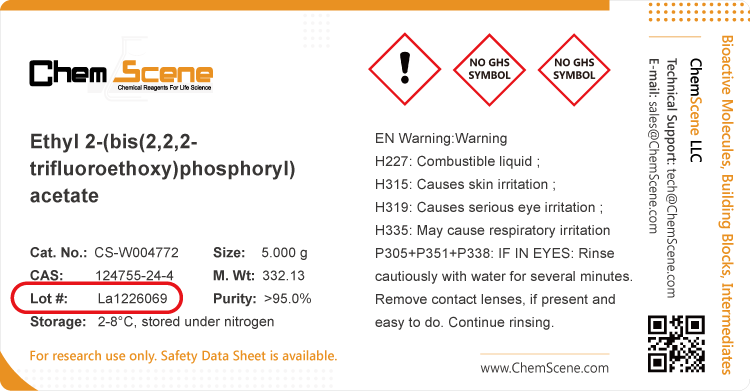
Lot numbers can be found on the outside label of a product:
Please log in for operation!
*For research and further manufacturing use only, not for direct human use.
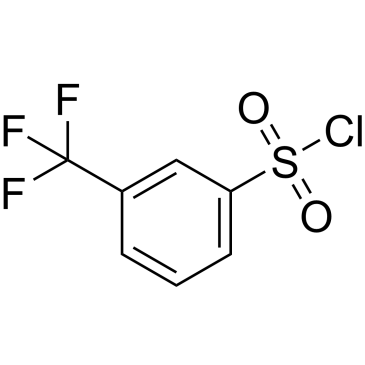
Structure of 777-44-6
| Size |
|
Price | Quantity | |||
|---|---|---|---|---|---|---|
|
* Please select Quantity before adding items. |
||||||
Cavity size is the major determinant as to which cyclodextrin is used in complexation. The cavity diameter of β-cyclodextrins or β-glucopyranose unit compounds is well-suited for use with molecules the size of hormones, vitamins and many compounds frequently used in tissue and cell culture applications. For this reason, β-cyclodextrin is most commonly used as a complexing agent. It is used to increase the solubility of non-polar substances such as fatty acids, lipids, vitamins and cholesterol for use in cell culture applications. Methyl-β-cyclodextrin is used to remove cholesterol from cultured cells and is employed to remove lipid rafts.
3-(Trifluoromethyl)benzenesulfonyl chloride serves as a highly effective sulfonylating agent for the installation of trifluoromethyl-substituted sulfonamide groups. Its reactivity is well-documented in amine functionalization, enabling efficient synthesis of sulfonamide intermediates with enhanced metabolic stability. The electron-withdrawing trifluoromethyl group enhances electrophilicity at the sulfonyl center while maintaining bench stability and compatibility with common protecting groups. This reagent facilitates straightforward purification and is particularly valuable in medicinal chemistry workflows targeting bioactive heterocycles and kinase inhibitors.
|
GHS Pictogram :

|
GHS No : GHS05
|
|
Signal Word : Danger
|
UN#: 3265
|
|
Class : 8
|
Packing Group : Ⅱ
|
|
Hazard Statements : H314
|
|
|
Precautionary Statements : P260-P264-P280-P301+P330+P331-P304+P340-P363-P405-P501
|
|
|
|
|
|
|
|
|
|
|
|
|
|
|
|
|
|
Upload Pictures
|
|
Lot numbers can be found on the outside label of a product: