



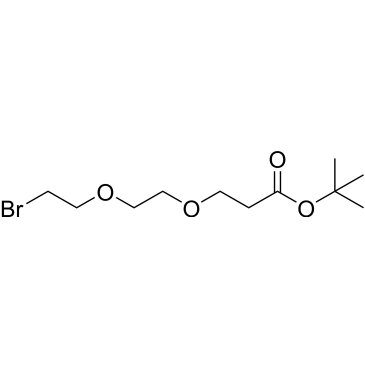
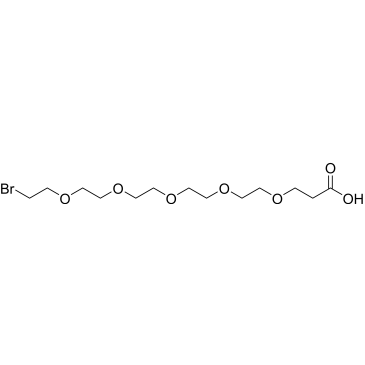
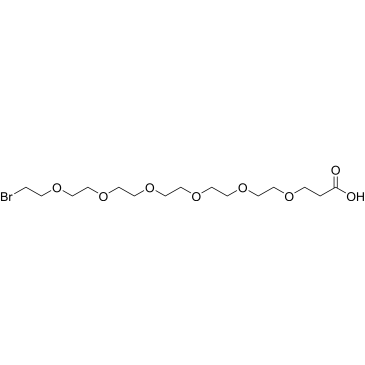
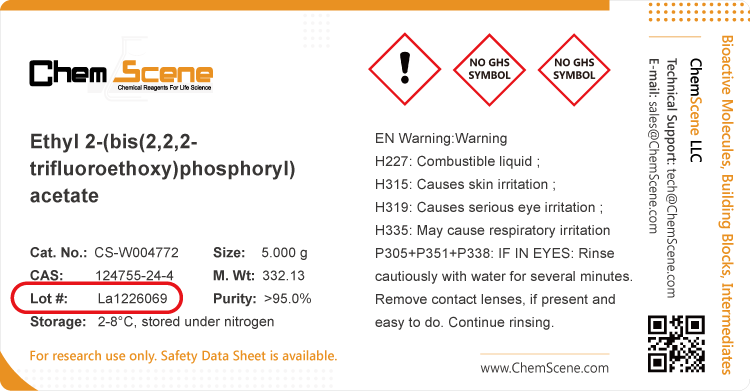
Lot numbers can be found on the outside label of a product:
Please log in for operation!
*For research and further manufacturing use only, not for direct human use.
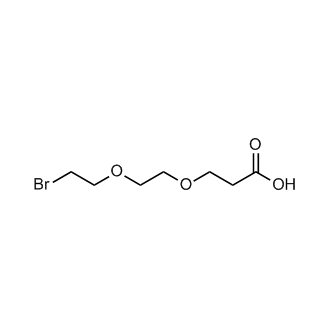
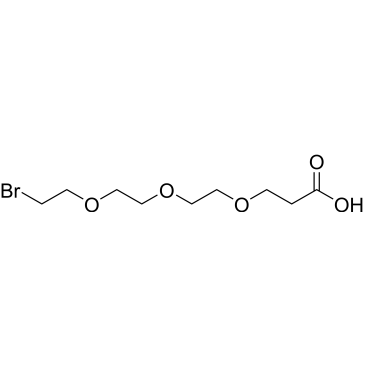
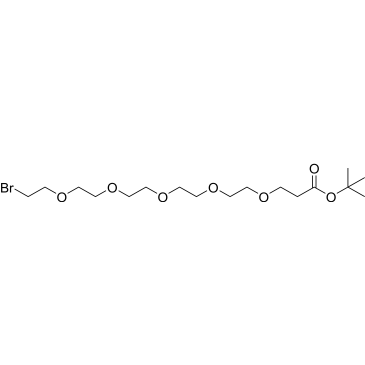
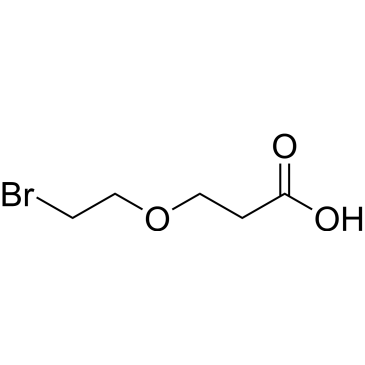
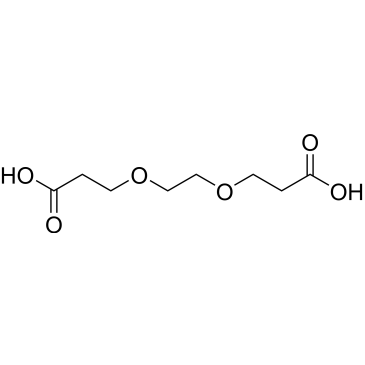
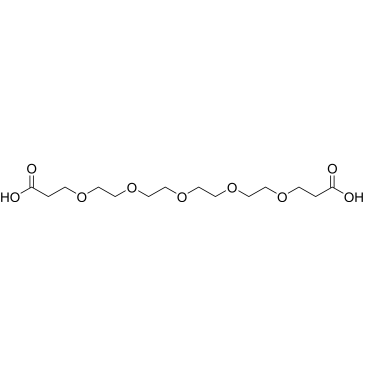
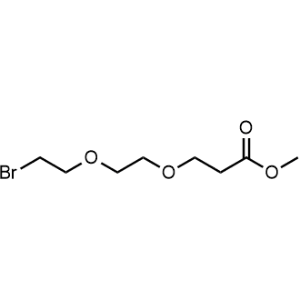
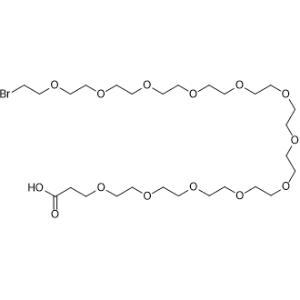
Structure of 1807503-92-9
| Size |
|
Price | Quantity | |||
|---|---|---|---|---|---|---|
|
* Please select Quantity before adding items. |
||||||
Tris(hydroxymethyl)aminomethane, commonly known as Trometamol, Tris base, or Trizma base, serves a pivotal role in diverse research applications as a biological buffer. Its optimal pKa of 8.1 makes it a preferred choice for formulating buffers like Tris-acetate-EDTA (TAE) and Tris-borate-EDTA (TBE), ensuring the maintenance of pH within the physiological range (pH 7 - 9), applicable to a wide spectrum of living organisms. Despite its utility, researchers need to exercise caution in protein studies, as Tris has the potential to interfere with the activity of specific enzymes.Tris base may find application as basimetric standard, independently as a buffer and as a crucial component in mixed buffer formulations, including Tris-EDTA (TE) buffer, TAE buffer, TBE buffer, among others. Its attributes include purity, essential stability, and a relative non-hygroscopic nature, making it a dependable choice in laboratory settings. In these environments, Tris base is indispensable for preparing buffers compatible with biological fluids and serves as a standard pH solution. It facilitates various laboratory procedures such as lactate dehydrogenase assays, in situ hybridization, and protein extraction from cells. The versatility of Tris base extends to cell biology, biochemistry, and protein research contributing significantly to studies involving cell membrane permeability and buffer preparation.Trizma base has been used:as a component of H buffer (cell dissociation buffer)for washing and saturation of wells in double sandwich ELISA immunoenzymatic techniqueas an assay buffer for reconstitution of extracted and dried protein samplesto prepare Tris-HCl buffer that is used to stabilize proteinsas a buffer to extract carotenoid from tubersas a component of sample buffer during protein extraction prior to western blottingas a component of sample buffer for sodium dodecyl sulfate polyacrylamide gel electrophoresis (SDS-PAGE)to prepare simulated body fluid (SBF) for calcium phosphate (CaP) resorption assayas a buffer for polydopamine (PDA) deposition on stainless steel (SS) substrate
Bromo-PEG2-C2-acid serves as a versatile bifunctional building block for conjugation and polymer chemistry, enabling site-specific attachment via bromide alkylation and carboxylic acid coupling. Its PEG2 spacer provides enhanced solubility and reduced aggregation, while the terminal acid facilitates amide or ester formation under standard conditions. The molecule exhibits excellent bench stability and compatibility with diverse functional groups, making it ideal for synthesizing drug conjugates, bioactive polymers, and targeted delivery systems.
|
GHS Pictogram :

|
GHS No : GHS07
|
|
Signal Word : Warning
|
UN#: N/A
|
|
Class : N/A
|
Packing Group : N/A
|
|
Hazard Statements : H302-H315-H319-H335
|
|
|
Precautionary Statements : P261-P264-P270-P271-P280-P302+P352-P304+P340-P305+P351+P338-P330-P362+P364-P403+P233-P405-P501
|
|
|
|
|
|
|
|
|
|
|
|
|
|
|
|
|
|
Upload Pictures
|
|
Lot numbers can be found on the outside label of a product: