





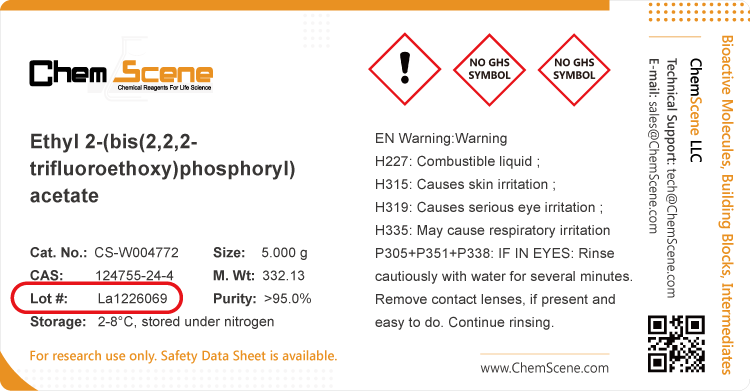
Lot numbers can be found on the outside label of a product:
Please log in for operation!
*For research and further manufacturing use only, not for direct human use.
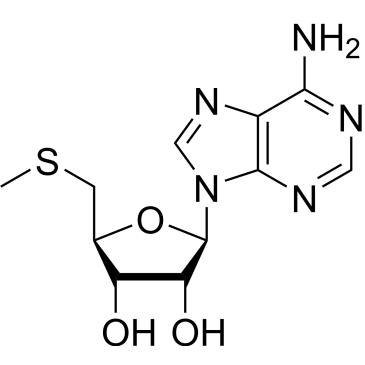
Structure of 2457-80-9
| Size |
|
Price | Quantity | |||
|---|---|---|---|---|---|---|
|
* Please select Quantity before adding items. |
||||||
3-(Acrylamido)phenylboronic acid(AAPBA) belongs to the class of boronic acid monomers. The boronic acid group (-B(OH))possesses the unique ability to form reversible covalent bonds with certain molecules, such as diols or sugars. This property allows for the design of molecular sensors for detecting and quantifying specific analytes, including carbohydrates and biomolecules. The acrylamido group provides hydrophilic characteristics, making it more suitable for drug delivery applications. It is also utilized as a building block to synthesize boronic acid-based polymers or copolymers for biomedical engineering, and biosensors for glucose monitoring.3-(Acrylamido)phenylboronic acid can be used as:As a monomer to synthesize poly(methacrylic acid)-co-3-(acrylamido)phenylboronic acid (PMAA-co-AAPBA) copolymer as a supramolecular receptor for biosensor applications. AAPBA helps to enhance the water solubility and binding affinity of the copolymer. This copolymer is utilized for carbohydrate sensing in an aqueous medium.As a monomer to prepare poly(3-Acrylamidophenyl boronic acid-b-diethylene glycol dimethacrylate) for the fabrication of glucose-sensitive nanoparticles for insulin delivery. The specific interactions of AAPBA with the diol moiety present in glucose molecules induce glucose responsiveness into the block copolymer.As a monomer and cross-linker to synthesize self-healing composite hydrogels for tissue engineering and drug delivery systems. They can mimic the properties of natural tissues and provide a suitable environment for cell growth. AAPBA polymerizes with acrylamide and simultaneously interacts with cis-diol of hydroxypropyl guar gum (HPG) to facilitate the formation of hydrogel with good mechanical strength and fast self-healing properties.
|
GHS Pictogram :

|
GHS No : GHS07
|
|
Signal Word : Warning
|
UN#: N/A
|
|
Class : N/A
|
Packing Group : N/A
|
|
Hazard Statements : H302-H315-H319-H335
|
|
|
Precautionary Statements : P261-P264-P270-P271-P280-P302+P352-P304+P340-P305+P351+P338-P330-P362+P364-P403+P233-P405-P501
|
|
|
|
|
|
|
|
|
|
|
|
|
|
|
|
|
|
Upload Pictures
|
|
Lot numbers can be found on the outside label of a product: