



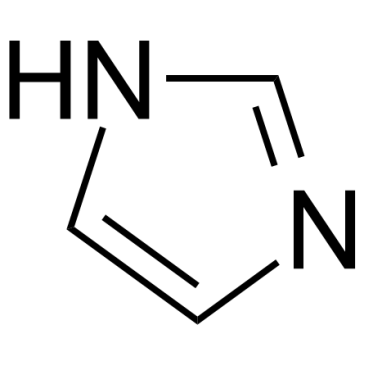
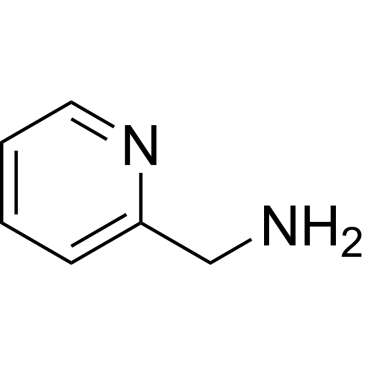
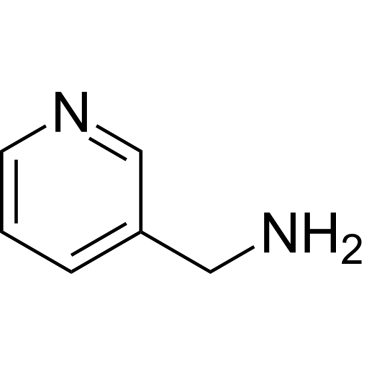
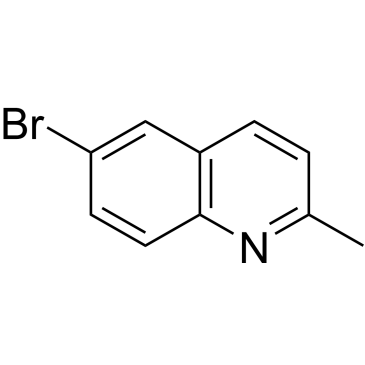

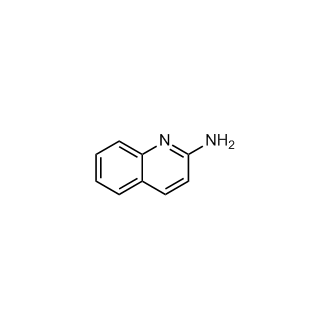
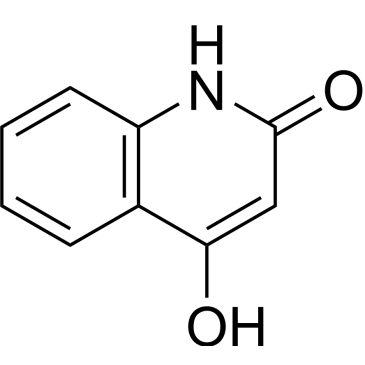
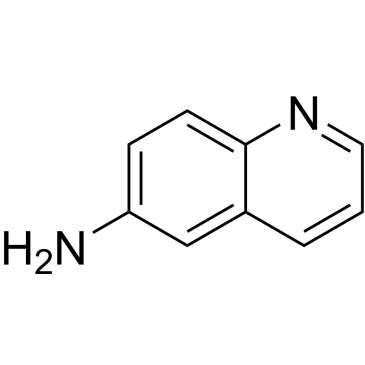
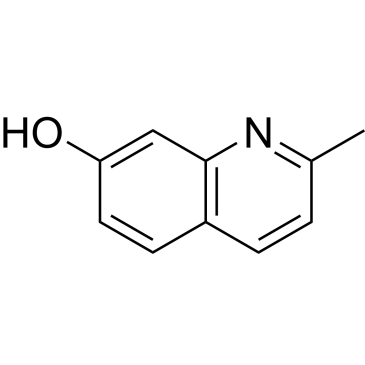
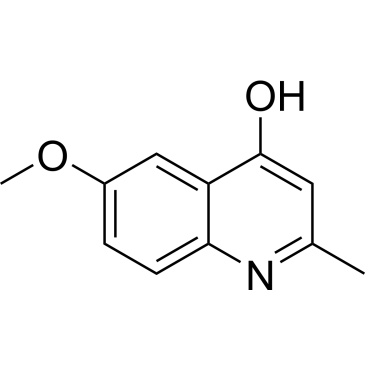
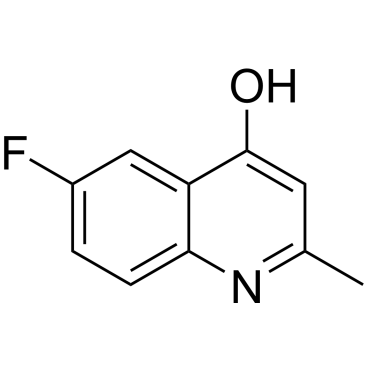
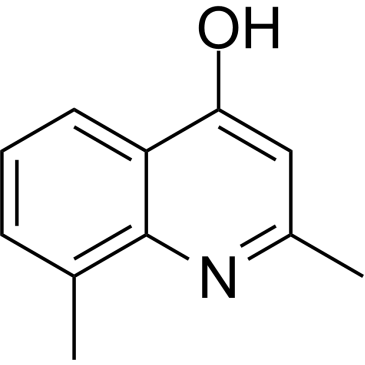
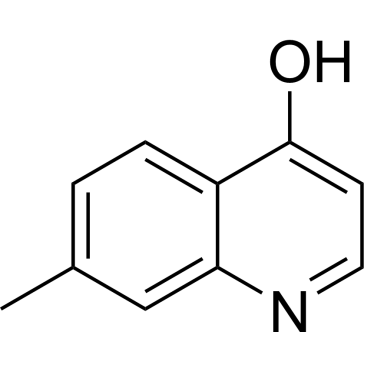
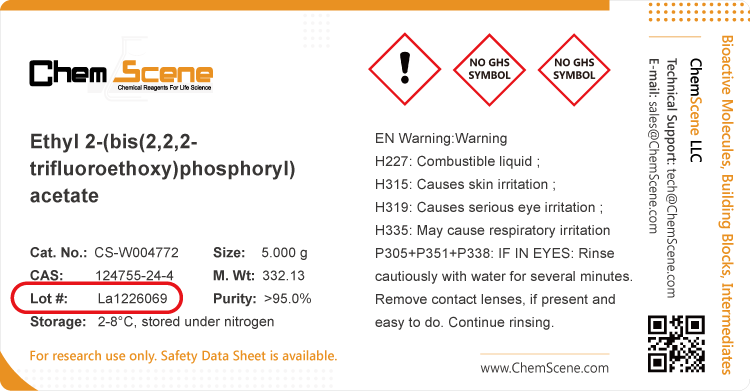
Lot numbers can be found on the outside label of a product:
Please log in for operation!
*For research and further manufacturing use only, not for direct human use.
Structure of 607-67-0
| Size |
|
Price | Quantity | |||
|---|---|---|---|---|---|---|
|
* Please select Quantity before adding items. |
||||||
9,10-Anthracenediyl-bis(methylene)dimalonic acid or ABDA is a singlet oxygen probe. It is highly fluorescent and soluble in water and binds to lipopolysaccharides (LPS) found in the cell membrane. 9,10-Anthracenediyl-bis(methylene)dimalonic acid takes four negative charges upon fully deprotonation in neutral aqueous solutions, stabilizing the ion-pair complex and facilitating selective recognition of LPS over other common ionic species of clinical significance. In addition to the emission maximum at 407 nm, there are lower maxima at 431, 457, and 485 nm.9,10-Anthracenediyl-bis(methylene)dimalonic acid is widely used as a singlet oxygen detector probe. 9,10-Anthracenediyl-bis(methylene)dimalonic acid is suitable for assessing the photodynamic effect of curcumin Vibrio parahaemolyticus, which is a significant cause of bacterial diarrhea.
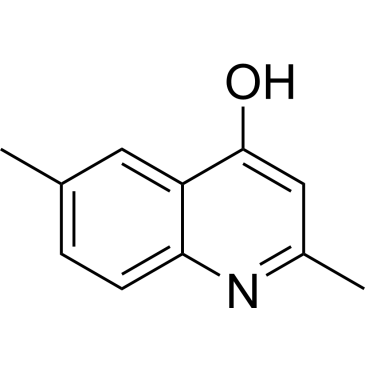
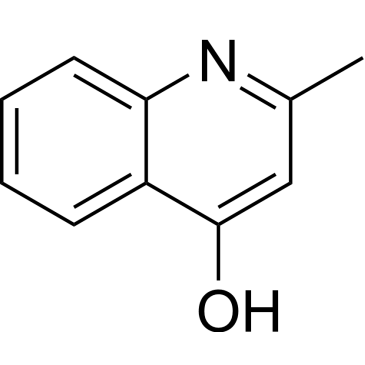
2-Methylquinolin-4-ol serves as a versatile building block in medicinal chemistry, enabling efficient access to quinoline-based scaffolds through standard functional group transformations. Its stability under ambient conditions and compatibility with palladium-catalyzed coupling reactions facilitate downstream derivatization. The molecule functions effectively as a precursor in the synthesis of heterocyclic APIs and exhibits favorable purification characteristics in routine bench-scale applications.
|
GHS Pictogram :

|
GHS No : GHS07
|
|
Signal Word : Warning
|
UN#: N/A
|
|
Class : N/A
|
Packing Group : N/A
|
|
Hazard Statements : H315-H319-H335
|
|
|
Precautionary Statements : P261-P264-P271-P280-P302+P352-P304+P340-P362-P405-P501
|
|
|
|
|
|
|
|
|
|
|
|
|
|
|
|
|
|
Upload Pictures
|
|
Lot numbers can be found on the outside label of a product: